ongoing
Bugesera, Eastern province
2024

Forest4-life-environmental-club-initiative

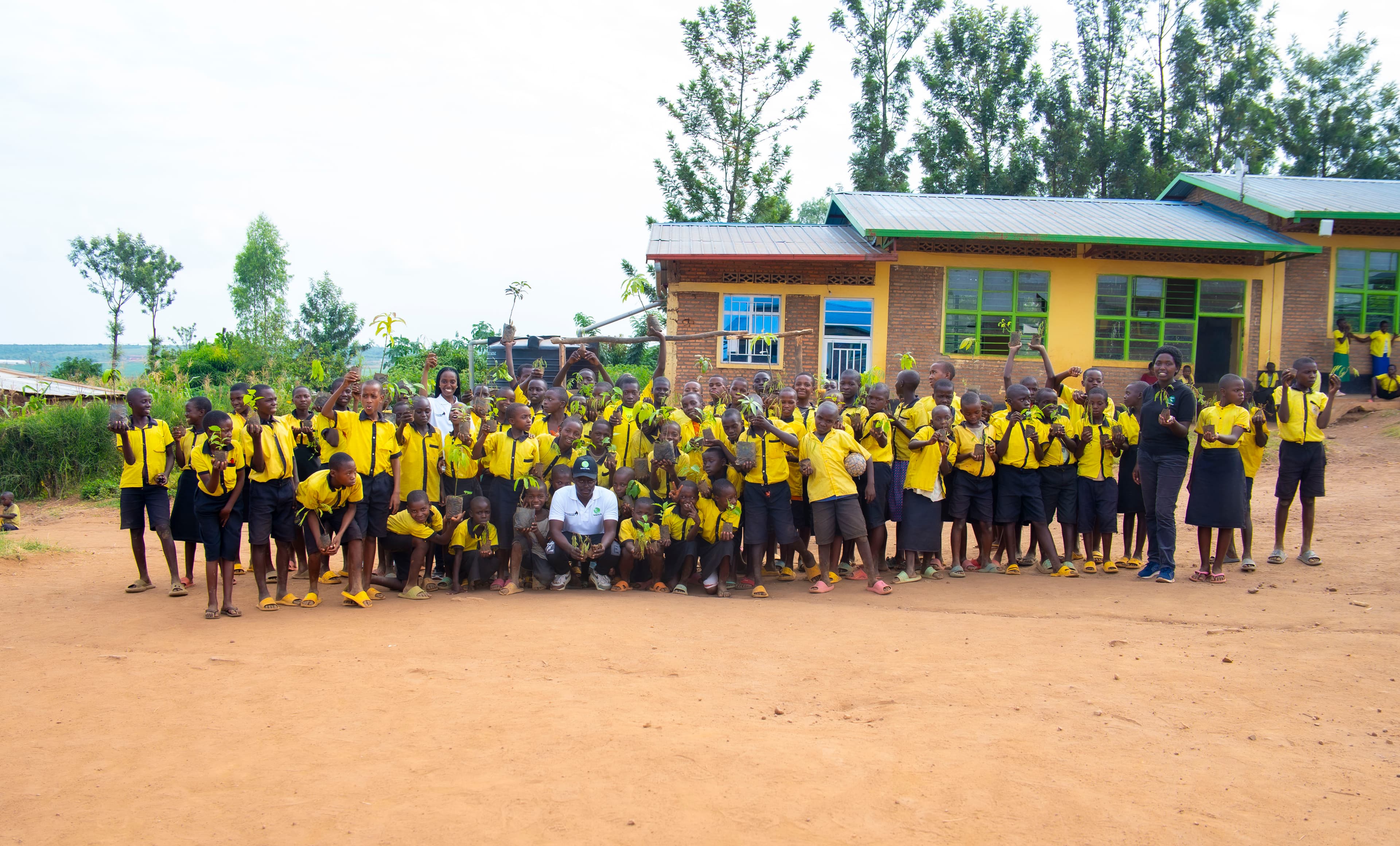
Forest4Life engages primary school students in environmental conservation through school-based environmental clubs. The initiative builds climate awareness, practical tree-planting skills, and youth leadership for long-term landscape restoration in Rwanda.

Forest4-life-environmental-club-initiative

Executive Summary

The Forest4Life Environmental Club Initiative establishes and supports primary school environmental clubs to promote conservation awareness, tree planting, and sustainable land management. The project equips students with practical skills in agroforestry, climate action, and environmental stewardship, building a new generation committed to restoring Rwanda’s degraded landscapes.

Background

Why Environmental Clubs?

Rwanda faces increasing climate variability, soil degradation, and declining biodiversity. Long-term restoration requires behavioral change starting at a young age.

Primary schools are powerful platforms for:

  • Building environmental awareness
  • Developing climate leadership
  • Promoting tree planting culture
  • Encouraging sustainable land use practices

Many schools lack structured environmental programs and practical conservation activities.

Our Approach

Forest4Life established school environmental clubs to:

  • Integrate conservation education with hands-on action
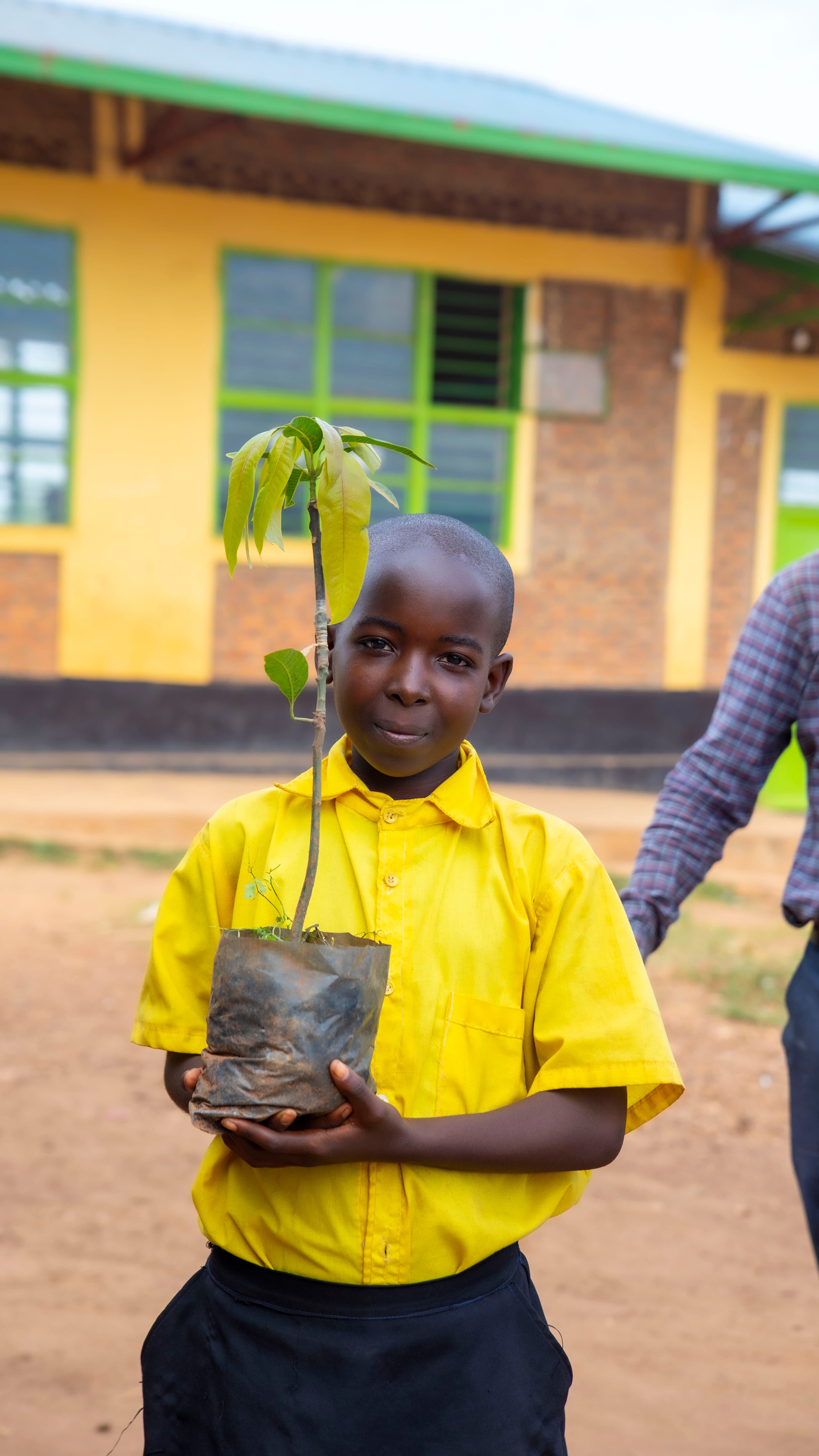
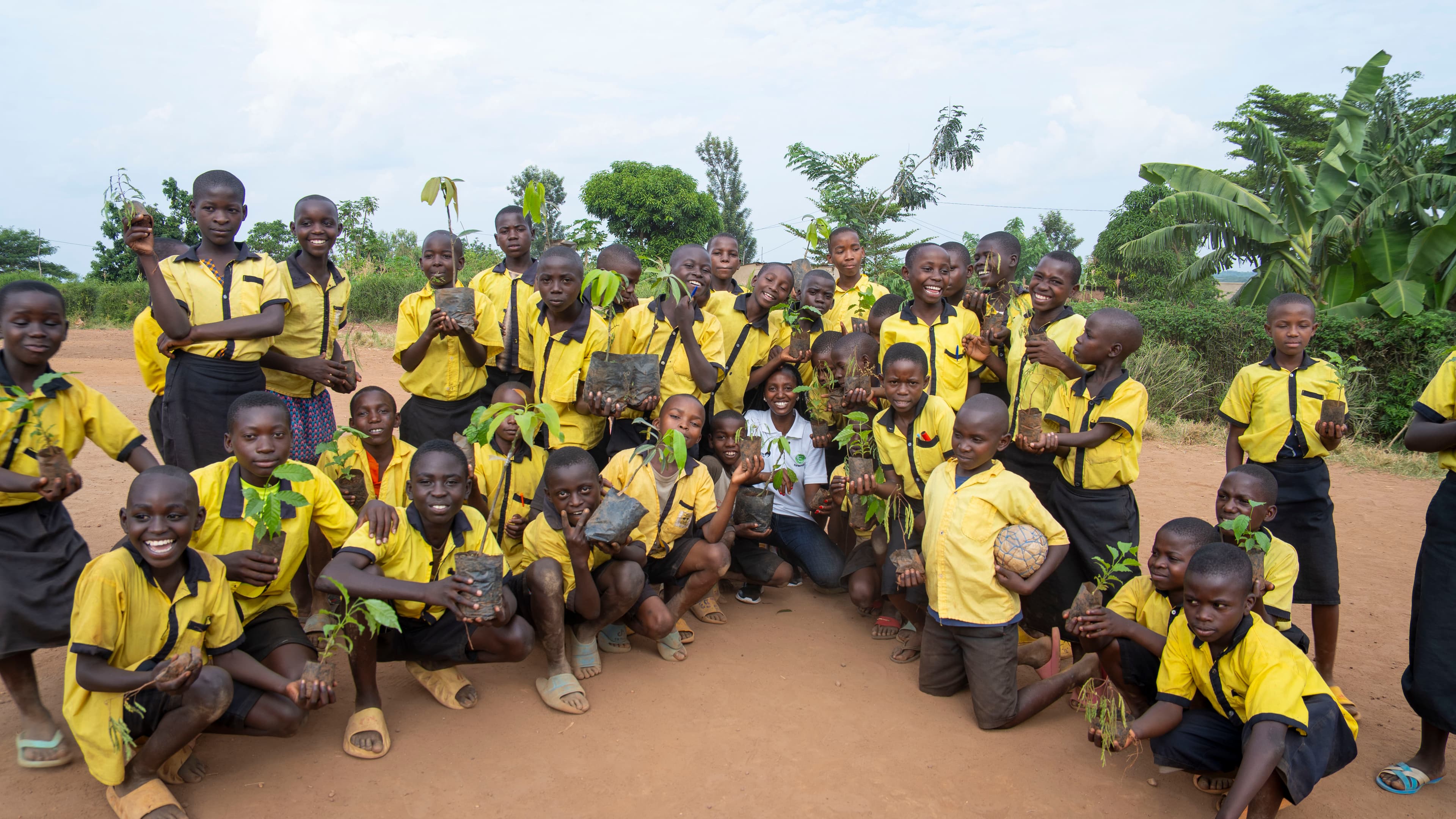
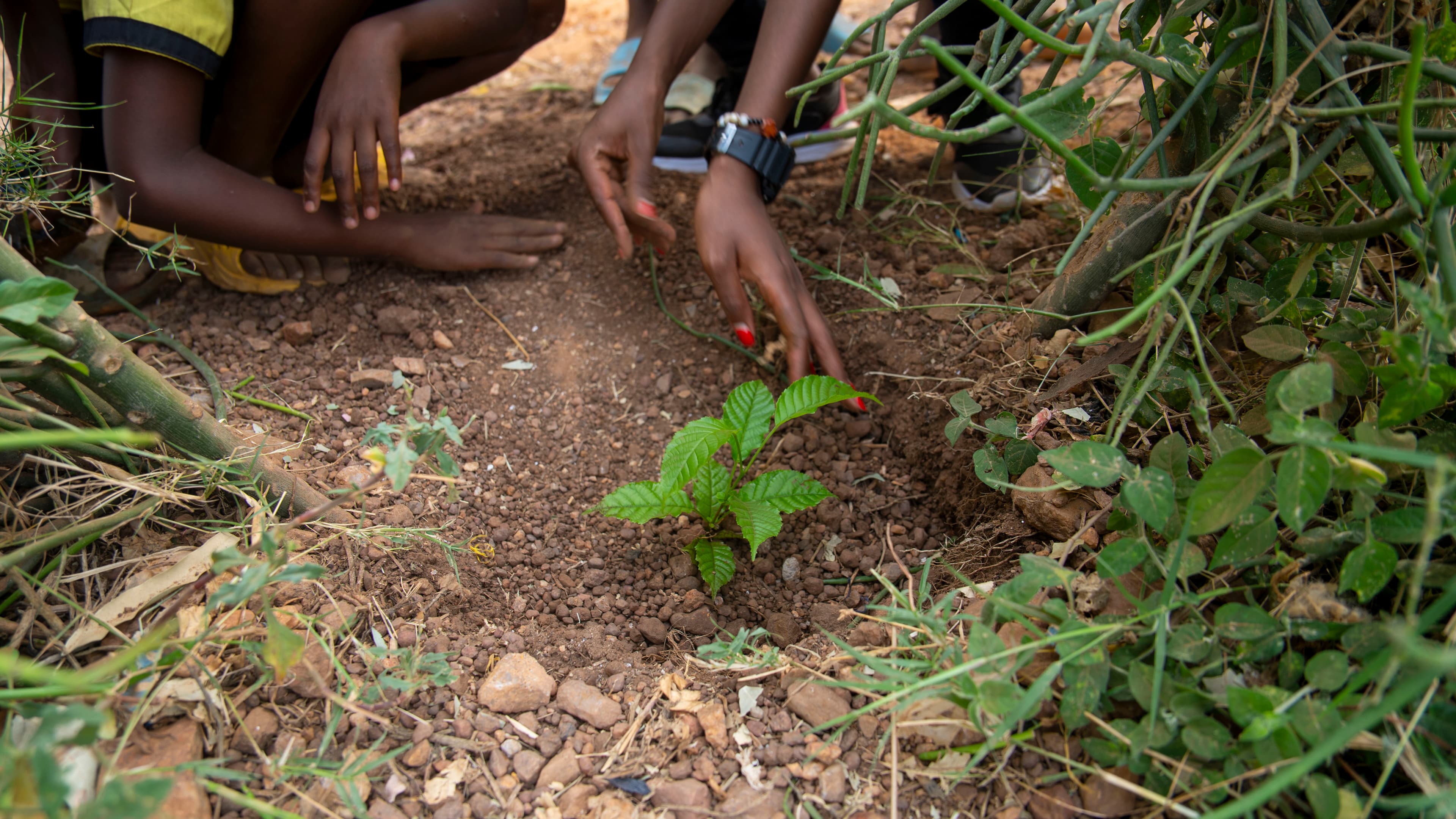
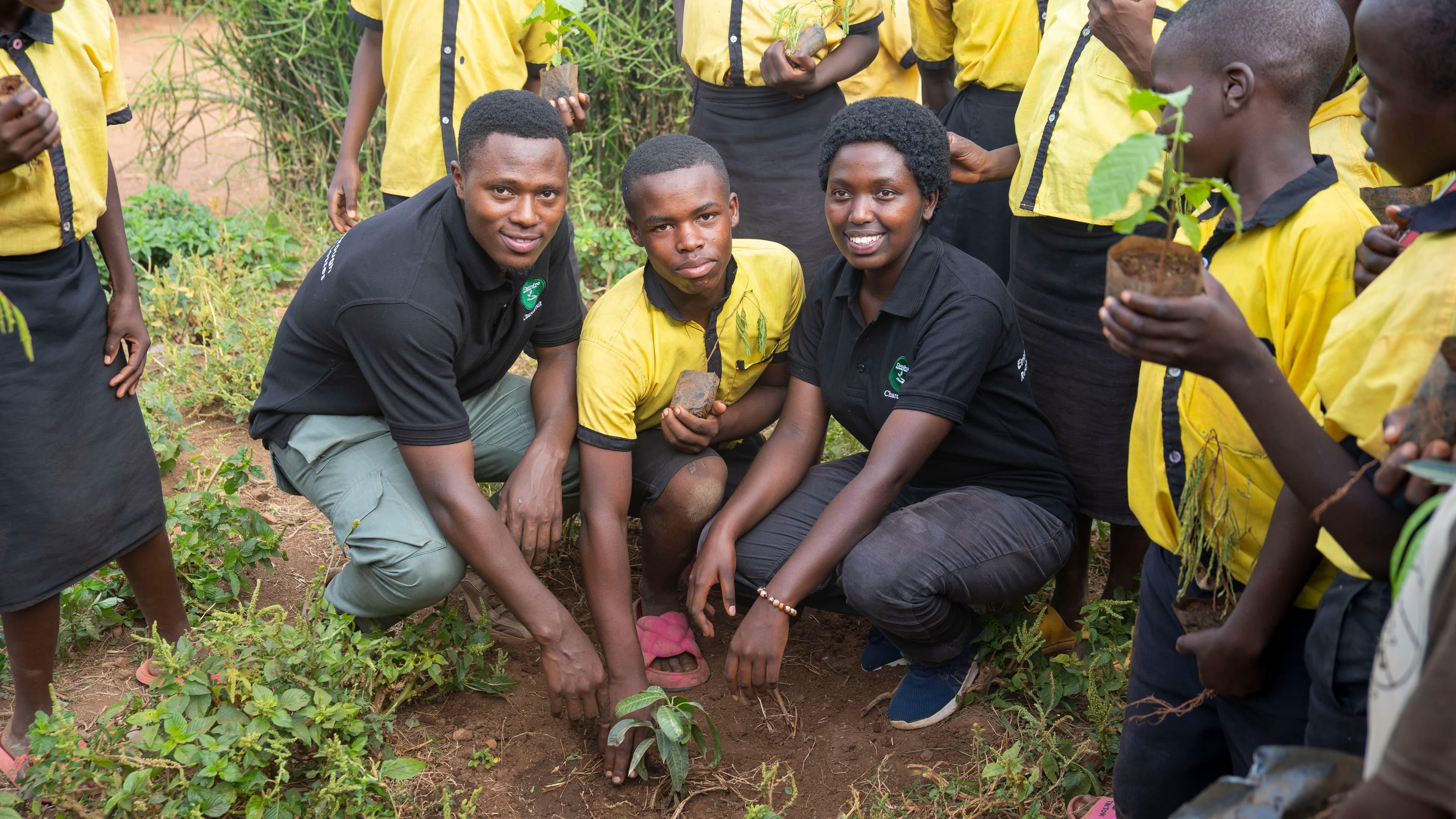
  • Support practical tree planting activities
  • Promote climate-resilient agriculture awareness
  • Inspire youth-led environmental stewardship

This approach aligns with global youth climate engagement movements promoted by organizations like GLF (Global Landscapes Forum), emphasizing youth as leaders in restoration.
Objectives

The project aims to:

  • Establish functional environmental clubs in primary schools
  • Train students in climate change awareness and conservation
  • Promote planting of grafted fruit trees and indigenous species
  • Develop student leadership and responsibility
  • Encourage sustainable practices at school and household level
  • Strengthen youth participation in Rwanda’s restoration agenda

Methodology

1. School Engagement
  • Meetings with school leadership
  • Identification of teacher coordinators
  • Selection of student club members

2. Environmental Education Sessions

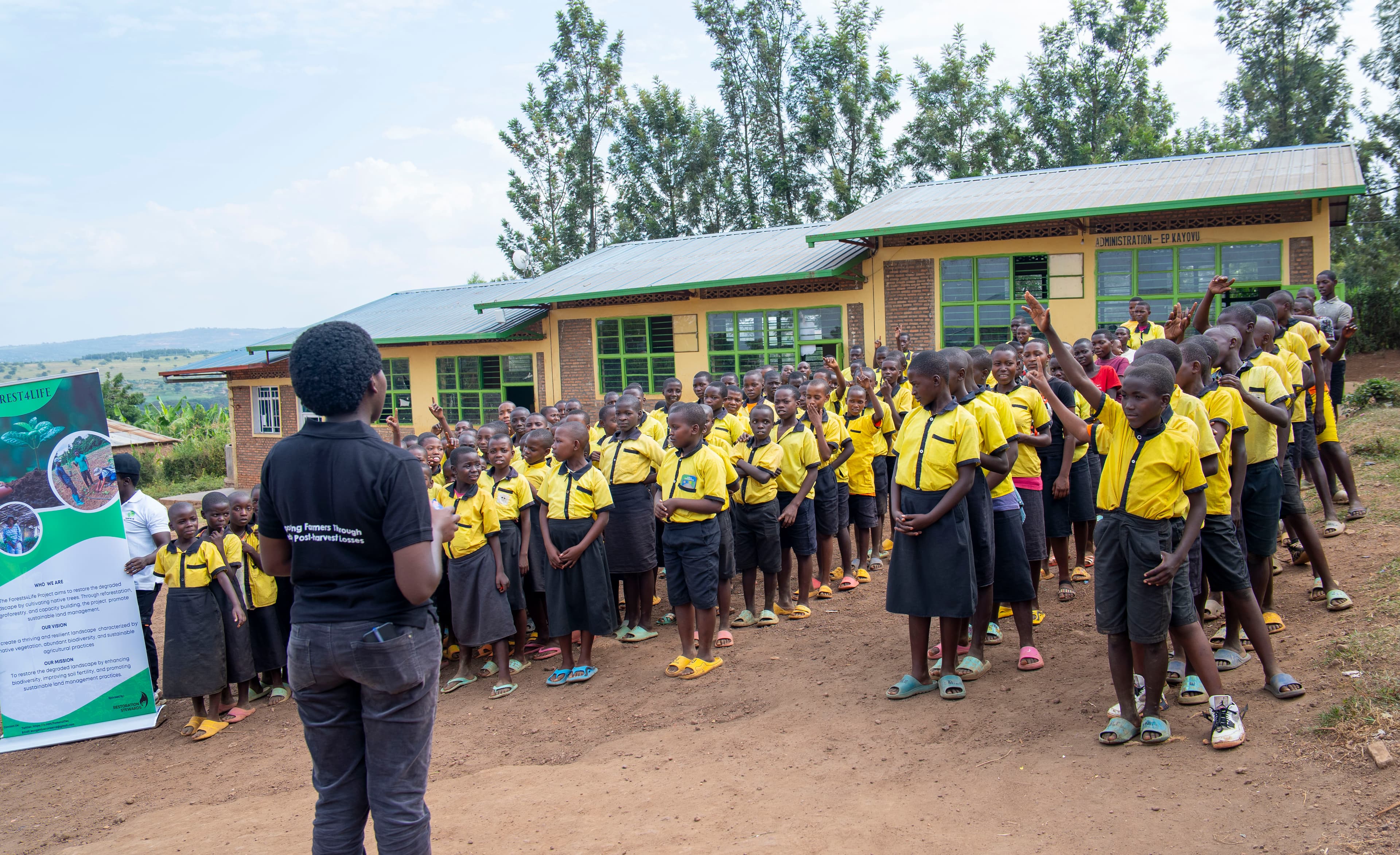
  • Climate change awareness workshops
  • Soil health and land degradation lessons
  • Biodiversity and indigenous species education

3. Practical Activities

  • Establishment of school tree nurseries (where possible)
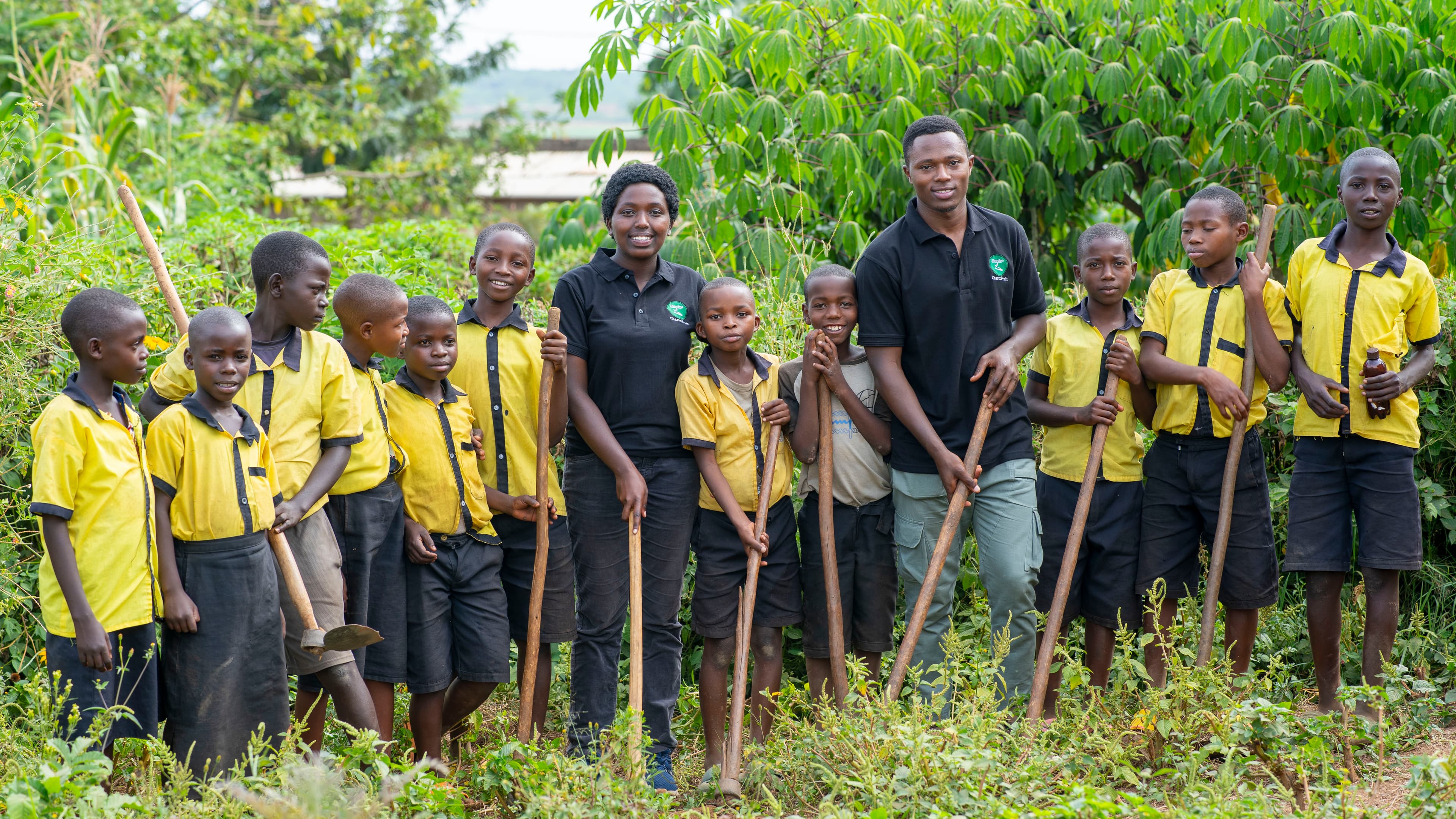
  • Tree planting campaigns within school compounds
  • Demonstrations of conservation agriculture practices

4. Leadership Development

  • Election of student club leaders
  • Environmental action planning exercises
  • Public speaking and peer learning sessions

Key Findings

  • High student enthusiasm for hands-on activities
  • Increased awareness of climate and environmental issues
  • Strong interest in fruit tree planting
  • Teachers supportive of long-term club continuation

Conclusions

Engaging primary school students creates long-term environmental impact. Early exposure to conservation builds responsible future farmers, leaders, and environmental stewards. School-based clubs are an effective, low-cost strategy to strengthen Rwanda’s restoration efforts.

Recommendations

  1. Expand clubs to additional schools in Bugesera
  2. Provide starter toolkits (watering cans, seedlings, materials)
  3. Develop simple environmental education manuals
  4. Integrate monitoring & evaluation to measure behavioral change
  5. Build partnerships with district education authorities

Project Gallery

Gallery image 1
Gallery image 2
Gallery image 3
Gallery image 4
Gallery image 5
Gallery image 6

Project Information

Status
ongoing
Location
Bugesera, Eastern province, Rwanda
Duration
May 20, 2024

Project Contact

Kamanzi Claudine

Interested in This Project?

Learn more about how you can support or get involved in this impactful forest restoration initiative.