ongoing
Bugesera, Eastern of Rwanda, Gashora
2024

Nursery

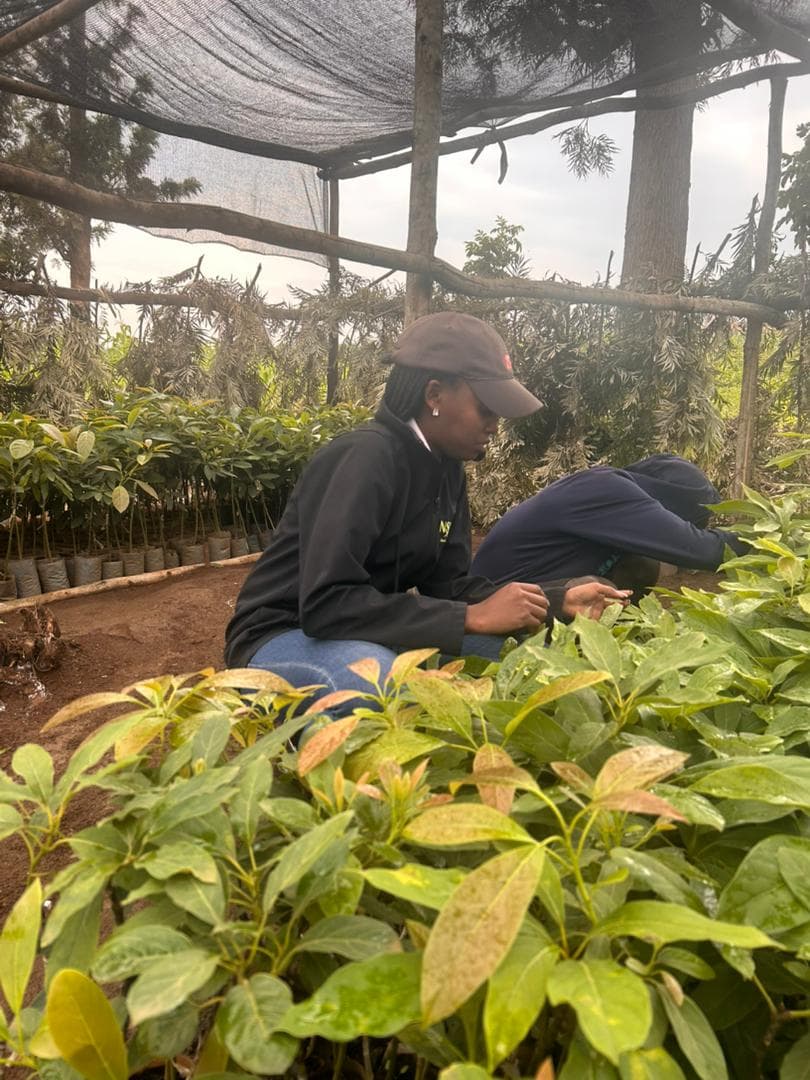
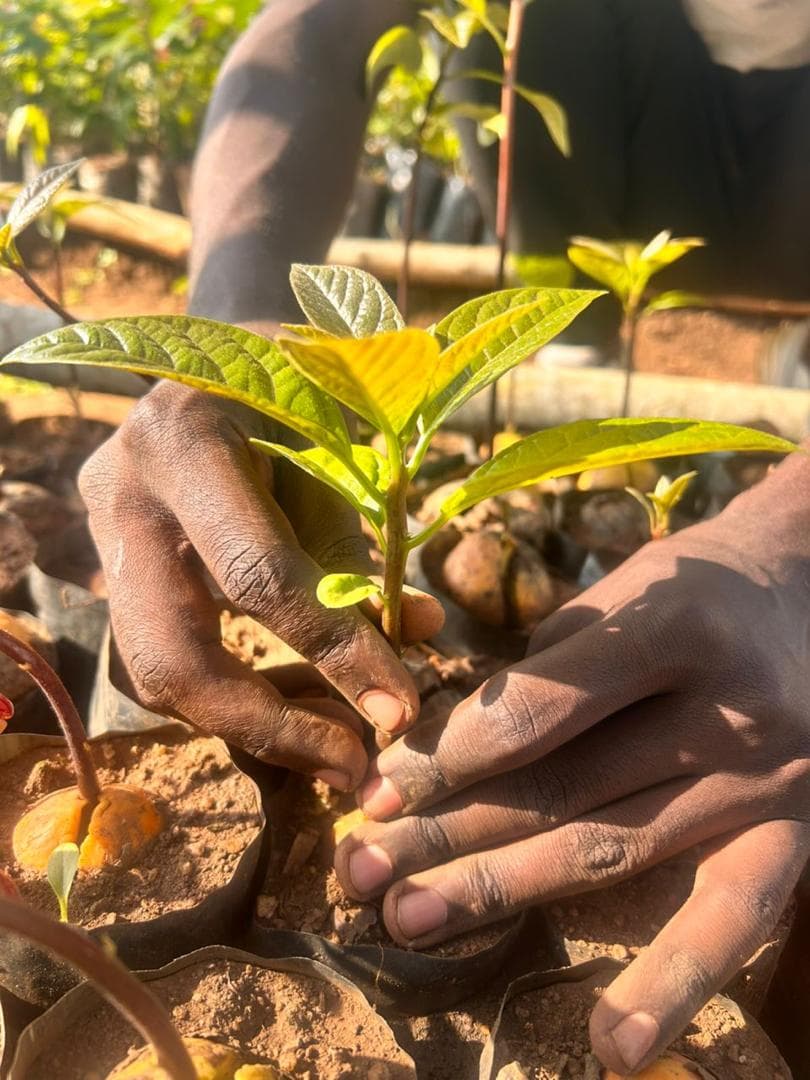
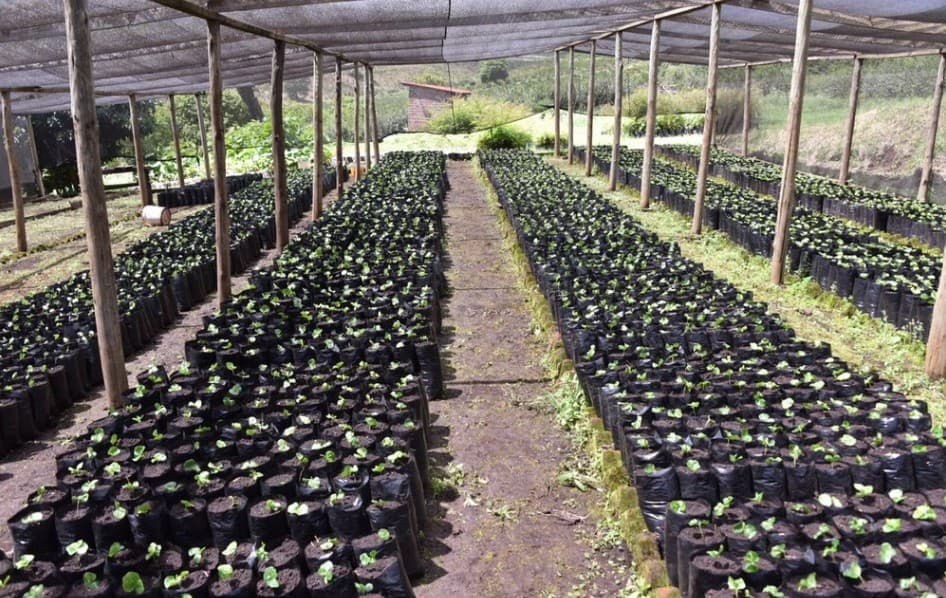
Forest4Life operates a community tree nursery in Bugesera District, Rwanda, where we produce climate-adapted native indigenous trees and grafted fruit seedlings, including mango and Hass avocado varieties. The nursery was established to address farmers’ limited access to quality planting materials suited to dry conditions. By producing strong, resilient seedlings locally, we improve survival rates, support land restoration, and help farmers increase their income through agroforestry.

Nursery

Executive Summary

Forest4Life operates a climate-adapted community nursery in Bugesera District to address limited access to quality seedlings, low tree survival rates, and land degradation. The nursery produces resilient grafted fruit trees and native indigenous species to restore degraded land and improve smallholder farmer income through agroforestry.

Background

The Challenge

Eastern part of Rwanda faces:

  • Severe land degradation
  • Low soil fertility
  • Increasing drought vulnerability
  • Limited access to quality fruit seedlings
  • Low survival rates of non-adapted tree species

Farmers were hesitant to plant trees that did not generate direct income. At the same time, poor land management practices were reducing agricultural productivity.

Our Response

Forest4Life established a community nursery to:

  • Produce climate-adapted seedlings locally
  • Improve survival rates
  • Promote agroforestry systems that combine income and restoration
Objectives

The objectives of the nursery project are to:

  • Increase production capacity from 7,000 to 30,000 seedlings annually
  • Improve seedling quality and resilience
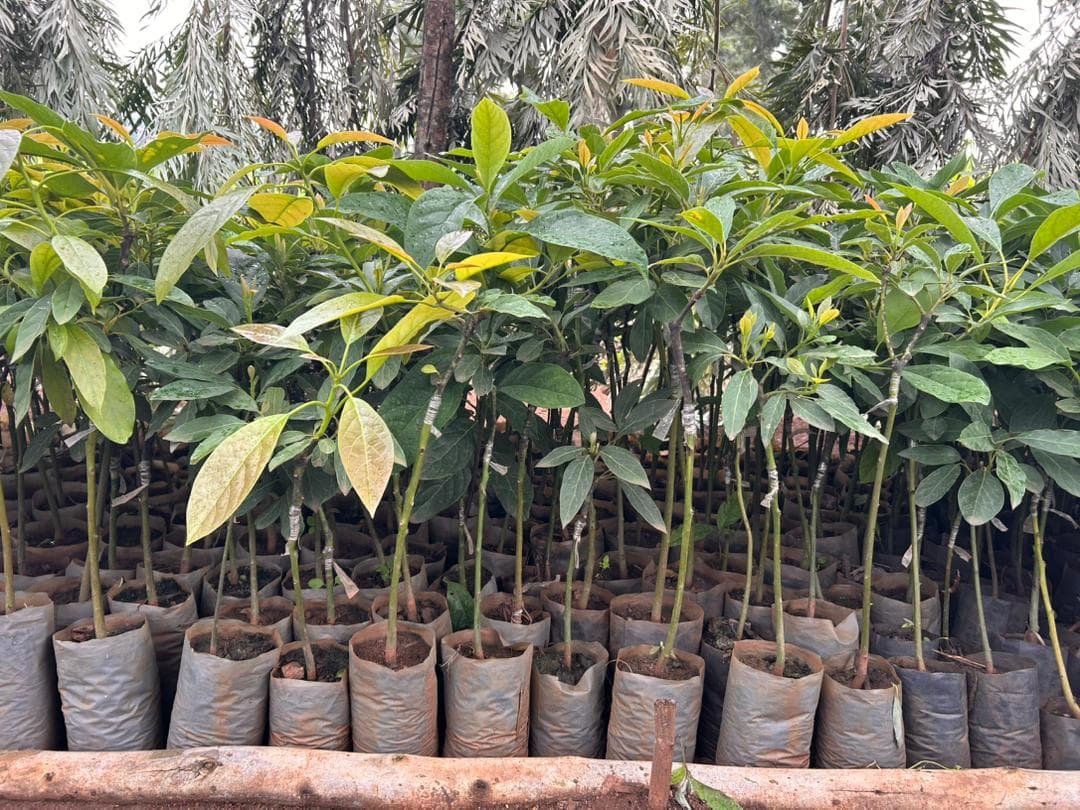
  • Supply grafted mango (Zillate, Kent, Tommy) and Hass avocado
  • Produce native species such as Markhamia lutea and Acacia abyssinica
  • Support farmers with access to high-quality planting materials
  • Strengthen youth skills through hands-on nursery training

Methodology

Our approach includes:

  1. Seed Selection & Grafting
    • Use climate-adapted rootstocks
    • Apply proper grafting techniques for fruit varieties
  2. Nursery Management

    • Improved irrigation systems
    • Shading and soil preparation
    • Disease and pest monitoring
  3. Farmer Engagement

    • Training in agroforestry and conservation agriculture
    • Field visits and follow-up monitoring
  4. Youth Involvement

    • Practical training in nursery operations
    • Environmental education through school clubs

Key Findings

  1. High demand for grafted fruit seedlings
  2. Native species improve soil recovery
  3. 85% average seedling survival rate
  4. Farmers prefer trees with income potential

Conclusions

Access to climate-adapted, income-generating seedlings significantly increases farmer willingness to adopt agroforestry. Combining restoration with economic benefit improves long-term sustainability

Recommendations

  1. Scale nursery infrastructure
  2. Expand irrigation capacity
  3. Strengthen Monitoring & Evaluation systems
  4. Develop long-term market linkages

Project Gallery

Grafted avocado

Grafted avocado

Gallery image 2
Gallery image 3
Gallery image 4
Gallery image 5
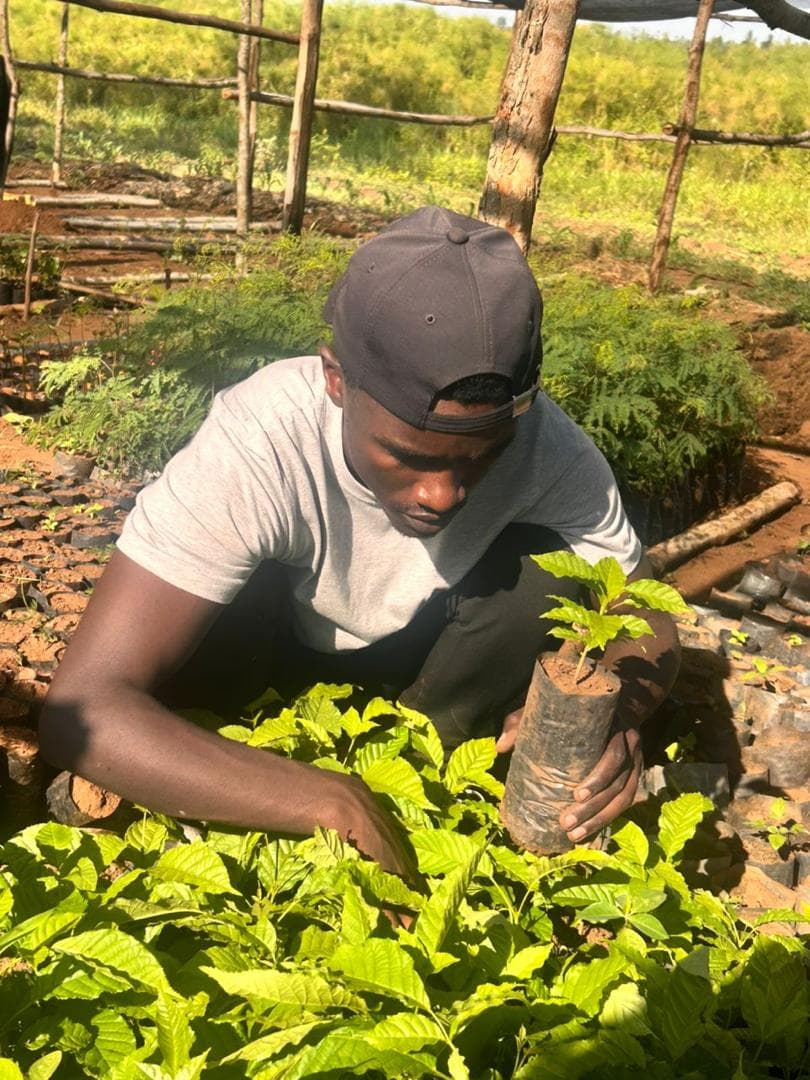
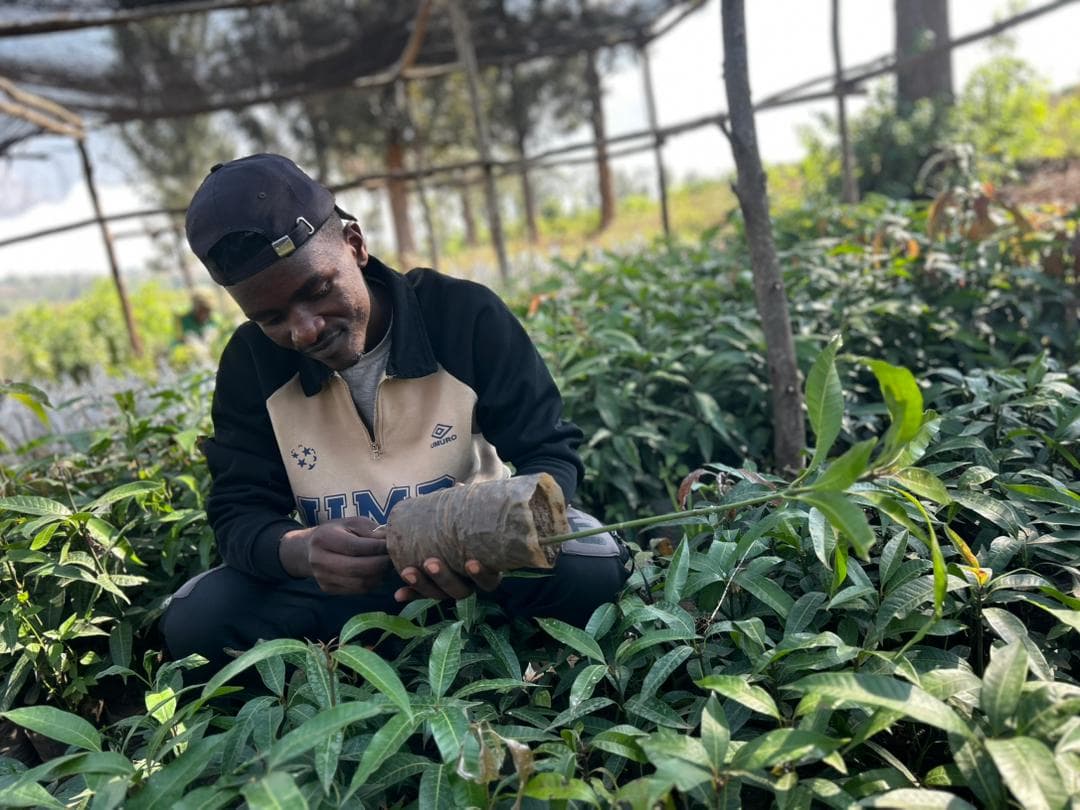
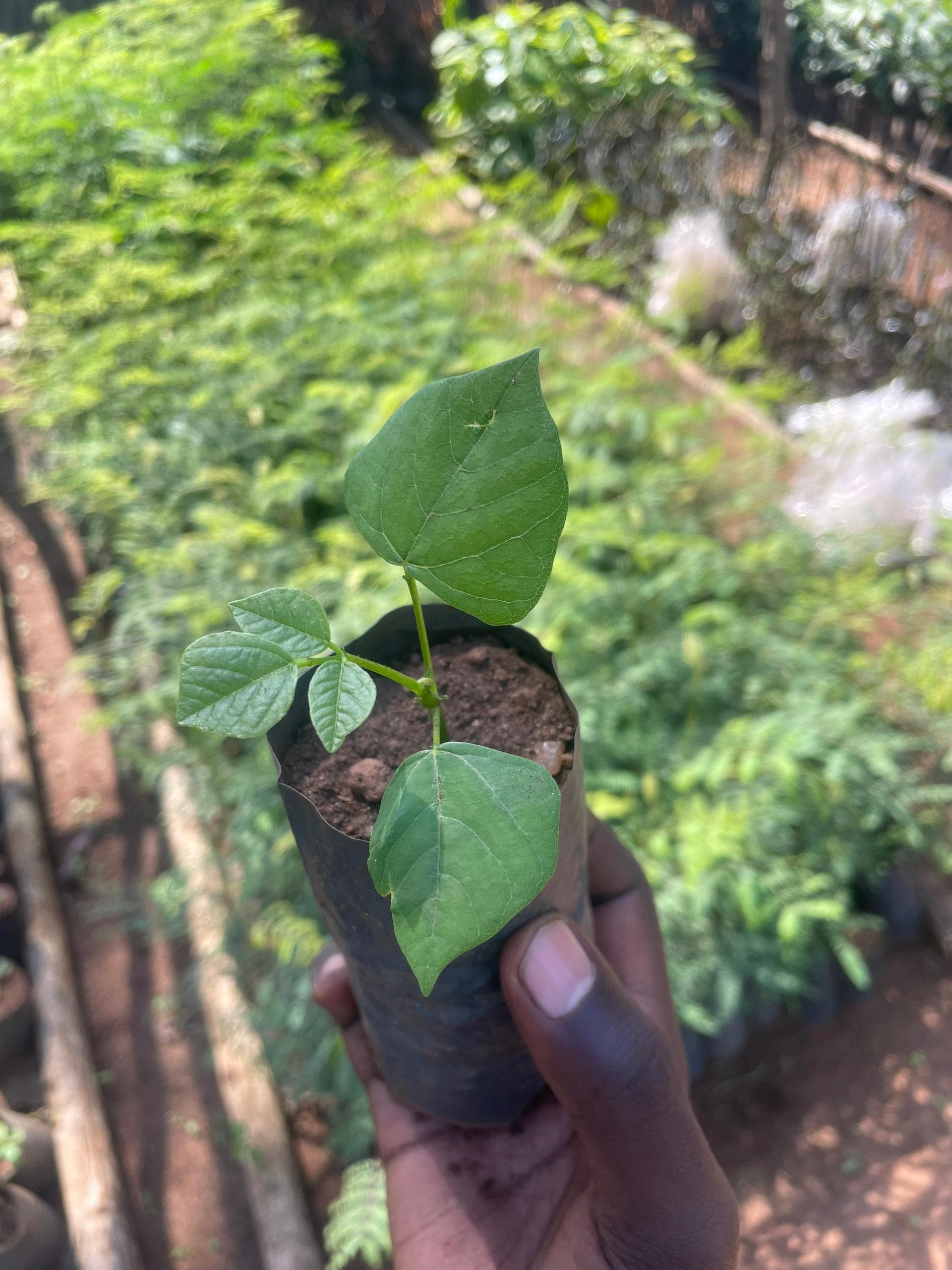
Umuko seedling/native tree

Umuko seedling/native tree

Project Information

Status
ongoing
Location
Bugesera, Eastern of Rwanda, Gashora, Rwanda
Duration
February 1, 2024

Project Contact

Kamanzi Claudine

Interested in This Project?

Learn more about how you can support or get involved in this impactful forest restoration initiative.